

In-Home Care Services That Help Seniors Stay Independent During Recovery
A scene you might recognize

Photo by Freepik
Your mom is finally home after the hospital. The house smells the same. The light falls through the same kitchen window. Everything looks “normal”… until it isn’t.
She shuffles toward the bathroom and insists she’s fine. She reaches for the counter, misses by an inch, and your stomach does that weird little drop. You offer help; she snaps, “I said I’ve got it.” Ten minutes later, she’s exhausted from something that used to be automatic. And now you’re standing there wondering: Do I step in? Do I back off? How do I keep her safe without making her feel like she’s lost her life?
This is the exact moment people start searching for in-home care services that help seniors stay independent—not because they want to hand everything off, but because they want recovery to feel like a bridge back to normal instead of a cliff edge.
Independence during recovery is a balancing act. Too little support, and small problems turn into big setbacks. Too much support, and your parent starts feeling managed, watched, or (worst of all) incapable. The sweet spot is real help in the moments that matter, delivered in a way that keeps your loved one’s pride intact.
Let’s talk about what that actually looks like—week to week, room to room, and decision to decision.
What “independent during recovery” really means
Independence isn’t doing everything alone
A lot of families get stuck on a stubborn definition of independence: “If Dad needs help, he’s not independent.” That’s not just unrealistic—it’s unfair.
Independence during recovery usually means:
- Making choices (what to wear, what to eat, when to shower)
- Doing what’s safe to do, even if it takes longer
- Getting support for the risky parts (transfers, bathing, stairs, heavy chores)
- Keeping routines familiar so confidence returns
There’s a big difference between “I can’t do this” and “I shouldn’t do this alone right now.” Recovery is temporary. Skills can come back. Strength can return. But only if the person stays safe enough to keep moving forward.
A helpful way to think about this is through the lens of activities of daily living—basic tasks like bathing, dressing, toileting, eating, and moving around. During recovery, the goal isn’t to yank these tasks away. It’s to support them so your loved one can keep participating.
The first 72 hours home are the make-or-break window
Hospitals are controlled environments. Home is not.
The first three days back are when problems pop up like surprise potholes:
- The shower is more slippery than anyone remembered.
- The bed is too low.
- The “easy” stairs at the front door suddenly feel like a mountain.
- Meds are confusing when they’re no longer handed over on schedule.
- Pain makes people irritable and stubborn (very normal, very hard).
If you plan for the first 72 hours like you’re planning for bad weather—extra support, clear routines, and fewer “let’s see how it goes” decisions—you prevent a lot of spirals.
The recovery friction points families don’t expect
Recovery isn’t just “rest and heal.” It’s a bunch of tiny daily hurdles that drain energy faster than people expect.
Pain, fatigue, and timing
Pain isn’t just pain. It changes everything:
- People move differently.
- They rush to get it over with.
- They skip meals because standing feels hard.
- They stop drinking water so they won’t have to get up to use the bathroom.
Fatigue is the sneaky one. Your parent might look okay for 15 minutes and then hit a wall. That’s why timing support matters more than “how many hours” in the abstract.
Bathroom safety and “small” slips
Most serious home accidents aren’t dramatic. They’re quick, quiet, and “I almost had it.”
The bathroom is the classic danger zone: slick floors, awkward turning, low toilets, hot water that can surprise sensitive skin. If you’ve ever heard a loved one say, “I’ll just be careful,” you already know how unreliable that plan is when someone is tired and medicated.
A lot of independence is preserved by preventing falls—not by hovering, but by setting up smarter routines and safer movement.
Meals, hydration, and the quiet slide
Ask families what got harder after discharge, and you’ll hear it again and again: eating.
Not because nobody cares, but because cooking takes energy, standing hurts, and appetite gets weird after illness or anesthesia. Hydration often drops for the same reason.
The result can be a “quiet slide”:
- less protein → slower healing
- less water → dizziness and constipation
- less movement → weakness and higher fall risk
This is where small support can have a big ripple effect.
Medication routines without nagging
Medication is tricky during recovery because it’s often temporary, changing, and time-sensitive.
The challenge isn’t just remembering pills. It’s:
- understanding which ones are “as needed” vs scheduled
- avoiding double doses
- managing side effects (nausea, sleepiness, constipation)
- keeping a consistent rhythm without turning the house into a lecture hall
Good support here feels like structure, not scolding.
What in-home support can look like in real life
This is where people sometimes picture a one-size-fits-all service list. But the most effective support is tailored: it fills the gaps, protects dignity, and gets out of the way when your loved one can do something safely.
Personal care that protects dignity
Personal care during recovery isn’t about “doing everything for them.” It’s about helping with the hard parts while letting them lead the process.
Examples:
- Setting up the bathroom so your parent can wash independently (with someone nearby for safety)
- Assisting with socks, shoes, compression stockings, or braces
- Helping with safe transfers in and out of the shower
- Supporting grooming so your loved one feels like themselves again
A good caregiver knows when to step in—and when to pause and let your loved one try.
Mobility help and fall-risk routines

Mobility support can be surprisingly simple and incredibly effective:
- Walking alongside during the first trip down the hallway
- Clearing pathways and moving clutter without making it feel like a renovation
- Practicing safe “sit-to-stand” technique
- Reminding someone to use the walker (without shaming them)
It also includes noticing patterns: if dizziness hits after certain meds, or if the bathroom trip at night is when near-falls happen.
Meals, hydration, and grocery rhythm
Food support isn’t fancy cooking (unless that’s what your family wants). It’s often:
- easy breakfasts that don’t require a lot of standing
- prepped snacks at eye level
- a “two meals + leftovers” rhythm
- grocery restocking so the house doesn’t run on random crackers
Even small routines—like a filled water bottle always within reach—can keep recovery moving forward.
Medication reminders and habit-building
Medication support can be handled in a respectful, adult-to-adult way:
- setting up a pill organizer
- using a written schedule on the fridge
- tracking doses in a simple log
- keeping an eye out for side effects that should be reported
The goal is to build a routine your loved one can maintain after support tapers.
Transportation and appointment logistics
Recovery often comes with a parade of appointments: follow-ups, therapy, labs, wound checks.
Support might include:
- rides to appointments
- walking assistance in and out of buildings
- note-taking so instructions don’t get lost
- picking up prescriptions
This is also where families often feel the most stretched—because it lands during work hours.
Companionship that keeps someone engaged
Here’s the underrated truth: isolation makes recovery harder.
When someone feels alone, they’re more likely to:
- stay in bed
- skip meals
- neglect exercises
- spiral into anxiety
Companionship during recovery can be as simple as sharing lunch, walking to the mailbox together, or sitting nearby while your loved one folds towels and chats.
Match the help to the recovery type
Different recoveries have different “danger zones.” Here’s a practical way to think about it.
| Recovery situation | Common independence challenge | What support focuses on | Best time blocks |
| Post-surgery (hip/knee/abdomen) | Transfers, bathing, fatigue | Safe movement, shower setup, meal prep, med routine | Mornings + early evenings |
| Illness (pneumonia/flu/weakness) | Low stamina, dehydration | Hydration prompts, nutrition, short walks, monitoring | Late morning + midday |
| Hospital stay with confusion | Disorientation, sleep disruption | Calm routine, supervision, gentle re-orientation | Evenings + nighttime setup |
| Stroke/neuro recovery | Balance, one-sided weakness | Mobility practice, safe home layout, appointment support | Mornings + therapy days |
After surgery
Surgery recovery is often about:
- safe bathroom routines
- preventing overexertion (“I feel better today!”)
- handling pain meds responsibly
- keeping the home environment easy to navigate
After an illness
After illness, the body feels “thin” for a while—like the battery drains fast. Support often works best in short bursts:
- breakfast + hydration
- a short walk
- lunch setup
- rest
After a hospital stay with confusion
Some seniors come home “not quite themselves” even if the medical problem is treated. Hospital environments can trigger delirium, especially in older adults, and the after-effects can linger.
In these cases, the goal is calm, predictable structure:
- consistent sleep/wake rhythm
- gentle reminders of time and place
- reduced evening stimulation
- supervision around unsafe wandering or impulsive choices
After a stroke or neuro event
Neuro recovery is often about repetition, patience, and safe practice. Help might include:
- cueing for safe movement
- support for one-handed cooking adaptations
- transportation to therapy
- home routines that reinforce therapy goals
A simple “Recovery Independence Plan” you can use this week
If you’re overwhelmed, good. That means you care. Now let’s make it simpler.
Step 1: Map the day in three zones
Instead of planning every hour, break the day into three zones and identify what tends to go wrong in each one.
Morning
Usually includes:
- getting out of bed safely
- toileting
- washing up
- breakfast
- meds
This is where assistance often prevents the “domino effect” of a bad start.
Midday
Usually includes:
- lunch
- light movement
- errands or appointments
- rest
Midday is often where you reinforce independence gently: “Let’s walk to the porch,” not “You need to do your exercises.”
Evening
Usually includes:
- dinner
- cleanup
- bathroom routines
- meds
- night safety setup
Evening support is powerful when fatigue and confusion rise late in the day.
Step 2: Identify the top 5 risky moments
Ask: “When is my loved one most likely to get hurt or give up?”
Common answers:
- First bathroom trip after waking
- Showering
- Carrying food/drinks while using a walker
- Stairs at the doorway
- Nighttime bathroom trips
Once you know the top 5, you stop guessing and start targeting.
Step 3: Choose a schedule that doesn’t smother
A schedule should feel like a helpful rhythm, not surveillance.
A practical rule:
Cover the risky moments + one daily quality-of-life win (a walk, a favorite meal, a social call). Recovery improves when life still feels like life.
Step 4: Set up a communication loop
This can be low-tech and still effective:
- a notebook on the counter
- a simple checklist
- a shared family message thread with one designated point person
Track:
- meals eaten
- water intake (roughly)
- meds taken (yes/no)
- pain level trends
- mobility notes (“walked to mailbox”)
When information is shared, fewer arguments happen—because everyone’s reacting to the same reality.
Sample schedules that keep seniors in the driver’s seat
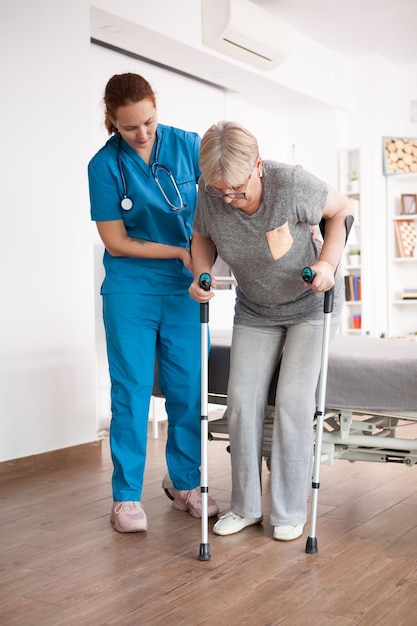
Photo by Freepik
These are examples, not prescriptions. The point is to show how support can be placed strategically—like spotlights, not floodlights.
Schedule A: Short morning visits that set the day up
Best for: mild-to-moderate recovery needs, strong evenings, decent balance with some fatigue.
Mon/Wed/Fri (2.5–3 hours, mornings)
- Hygiene setup + safe shower support (as needed)
- Breakfast + hydration
- Medication routine
- Light tidy for safety (pathways, laundry swap)
- Prep lunch/snacks within easy reach
Why it works: mornings are the high-leverage time. A good start often means fewer problems later.
Schedule B: Split shifts for tough evenings
Best for: recovery with late-day fatigue, anxiety, or higher fall risk at night.
Mon–Fri
- Morning (2 hours): breakfast, meds, hygiene, quick safety scan
- Evening (1.5–2 hours): dinner setup, meds, night safety, calm wind-down
Why it works: you’re supporting the two most fragile windows without paying for hours when your loved one is fine.
Schedule C: A 2–3 week ramp-down plan
Best for: post-surgery or post-hospital where needs drop as strength returns.
Week 1: daily visits (3–4 hours) covering hygiene + meals + mobility practice
Week 2: 4 days/week (3 hours) with one evening check-in
Week 3: 2–3 days/week (2–3 hours) focused on errands + meal prep + confidence-building
Why it works: it mirrors real recovery—more support early, less later—without yanking help away too soon.
Home tweaks that make independence easier
You don’t need to remodel. You just need to remove friction.
Bathroom
High-impact changes:
- non-slip mat and a stable shower chair
- grab bars (properly installed)
- raised toilet seat if needed
- towels and toiletries placed within easy reach
A small tip: if your loved one is stubborn about “safety gear,” frame it as “comfort” and “energy-saving,” not “risk.”
Kitchen
Make it easy to eat and drink without effort:
- snacks at eye level
- lightweight cups and plates
- a “recovery shelf” in the fridge: prepped items front and center
- avoid heavy pans and high cabinets for now
If the kitchen feels like a hurdle, people stop using it. That’s when nutrition slips.
Bedroom and nighttime
Night routines protect independence because they prevent panic:
- nightlights in the hall and bathroom
- phone and water within reach
- walker/cane placed consistently
- clear pathway (no baskets, no cords)
Nighttime “just in case” planning is not paranoia—it’s smart.
Low-stress tech
If your loved one likes tech, keep it simple:
- medication reminders
- a single-button call device
- motion-activated lights
If they hate tech, skip it. Independence shouldn’t depend on gadgets they’ll ignore.
Working with clinicians without turning the house into a clinic
Reinforcing PT/OT goals at home
Your therapist’s plan is only as good as what happens between sessions. Supporting physical therapy goals at home can be as simple as:
- making sure exercises happen at the best energy time of day
- helping your loved one set up safely (chair placement, stable surface)
- celebrating consistency, not perfection
A caregiver can also help translate clinical instructions into real life:
- “Don’t bend like that while loading the washer.”
- “Let’s take a break halfway to the mailbox.”
- “We’ll set the shoes here so you don’t twist.”
When to call the doctor
Families sometimes wait too long because they don’t want to “bother” anyone. Call if you notice:
- sudden confusion or big mood changes
- new shortness of breath
- uncontrolled pain
- fever or signs of infection
- repeated dizziness, fainting, or near-falls
- refusal to eat/drink for a full day
Trust the pattern. One weird moment can happen. A trend is a signal.
How family can help without accidentally taking over
This is the emotional part—because independence is tied to identity.
Scripts that reduce resistance
Instead of: “You can’t do that.”
Try:
- “Let’s do it together this week, then you can take it back when you’re stronger.”
- “I want you to save your energy for the fun stuff.”
- “How about you lead, and I’ll be your backup?”
Instead of: “You need help.”
Try:
- “You’re recovering. Support is part of the plan, not a punishment.”
Language matters more than people think.
Avoiding “learned helplessness”
When someone is recovering, it’s tempting to do everything fast:
- you pour the drink
- you fetch the sweater
- you clean up before they even try
But speed can unintentionally teach: “You don’t need to do anything.”
A better approach:
- Let them do what’s safe, even if it’s slow.
- Help with the dangerous parts.
- Offer choices so they stay in control.
Independence grows when people keep using it like a muscle.
Burnout prevention
If you’re the family caregiver, your health is part of the plan too.
Three practical guardrails:
- Name your non-negotiables (sleep, work hours, your own medical needs).
- Schedule time off like an appointment (not “if I have time”).
- Don’t do the tasks a caregiver can do—save your energy for emotional support and decision-making.
Choosing the right provider without overcomplicating it

Photo by Freepik
You’re not hiring a robot. You’re inviting a person into a private moment of life. Choosing carefully matters.
If you’re comparing in-home care services that help seniors stay independent, ask questions that reveal how flexible and human their approach is—not just what they offer on paper.
Questions that reveal real personalization
- “How do you match a caregiver’s style to my parent’s personality?”
- “How do you adjust hours week to week as recovery changes?”
- “How do caregivers document what happened during a visit?”
- “What does a good first week look like to you?”
- “How do you handle a senior who refuses help with bathing?”
One provider you may come across in your search is Always Best Care—and whether you speak with them or someone else, the best agencies will answer with specifics, not vague promises.
Red flags
- Pushing a fixed schedule without asking about your parent’s routine
- No clear communication method (you’re left guessing)
- Dismissing your concerns (“That’s normal, don’t worry” without details)
- Treating independence like an inconvenience
How to evaluate week one
After the first week, ask:
- Does my loved one seem calmer, safer, more confident?
- Are meals and hydration improving?
- Are we arguing less about help?
- Do I feel less panicked—and more informed?
If the answer is yes, you’re on the right track. If not, adjust the plan before frustration becomes the default.
Where You Go From Here
Recovery is a season. It can be a frustrating one, sure—but it can also be the season where your loved one proves (to themselves most of all) that they can adapt and bounce back.
The goal isn’t to create a perfect routine. It’s to create a supportive one: help in the moments that carry risk, breathing room for dignity, and a path that slowly hands tasks back as strength returns.
Start with the next seven days. Pick the two hardest parts of the day—maybe mornings and shower time, or evenings and meals. Put support there. Keep everything else simple. Then reassess.
Because independence doesn’t return all at once. It comes back in small wins: a steady shower, a walk to the mailbox, a meal eaten without exhaustion, a night without fear. Stack enough of those wins, and you’ll feel the shift.
FAQs
1) How long do seniors typically need help at home after a hospital stay?
It depends on the reason for hospitalization, overall strength, and how quickly stamina returns. Some people need a few focused weeks (especially after surgery), while others benefit from longer support if fatigue, balance issues, or confusion linger. A smart approach is to plan more help early, then taper as routines stabilize—rather than starting too small and scrambling after a setback.
2) What’s the difference between companionship and personal care during recovery?
Companionship focuses on presence, encouragement, meals, light errands, and keeping someone engaged. Personal care includes hands-on help with bathing, dressing, toileting, and safe transfers. Many recoveries need a blend: practical help for safety, plus companionship to prevent isolation and keep motivation up.
3) Can in-home caregivers help with therapy exercises?
Caregivers can often support routine and consistency—like helping someone get set up safely, reminding them of the plan, and encouraging practice. They typically don’t replace therapists, but they can reinforce the daily habits that make therapy more effective in real life.
4) What if my parent refuses help because they feel embarrassed?
This is incredibly common. It helps to frame support as temporary and recovery-focused (“backup while you regain strength”), offer choices, and keep the tone adult-to-adult. Consistency matters too—many seniors become more comfortable once they trust the caregiver and feel respected.
5) How do we decide which hours matter most if we can’t afford a lot of coverage?
Prioritize the moments with the highest risk and highest payoff: bathing, bathroom routines, mornings when dizziness is worse, meal setup, and evening fatigue. A few well-timed visits can prevent falls, missed meals, and medication mistakes—often making a bigger difference than scattered hours that don’t cover the tough spots.
Leave a Reply
You must be logged in to post a comment.