

Understanding the Historical and Modern Roles of Bishops in the Church
Introduction
The role of bishops within the Christian Church has evolved significantly since its inception. Bishops have historically held positions of spiritual, administrative, and social influence, helping to shape not only religious doctrine but also the communities they serve. To fully appreciate their contemporary role, one must first explore the historical foundations and developments that have shaped the responsibilities and significance of bishops within church hierarchy.
In this article, we will delve into the historical context of bishops, their evolving roles throughout the centuries, and their significant duties in the modern Church.
Historical Foundations of Bishops
The term “bishop” derives from the Greek word episkopos, meaning “overseer” or “supervisor.” From the earliest days of Christianity, bishops were established as leaders responsible for guiding communities of believers, ensuring doctrinal purity, and maintaining unity within the Church.
In the Apostolic Age, bishops were seen as successors of the Apostles themselves, entrusted with continuing the Apostolic mission. Historical records from figures such as Ignatius of Antioch in the early second century highlight the role of bishops as crucial to church unity and authenticity. During these early centuries, bishops became recognized as primary spiritual authorities, tasked with interpreting scripture and establishing doctrinal norms.
As the Christian Church expanded across different regions and cultures, bishops assumed increased administrative responsibilities. Councils, such as the Council of Nicaea in 325 AD, underscore the critical role bishops played in shaping key theological doctrines, including the Nicene Creed, which remains foundational in Christianity today.
The Medieval Bishop: Spiritual Leaders and Social Influencers
Throughout the medieval era, bishops’ roles extended far beyond the purely spiritual. Bishops often held immense political power, serving as advisors to monarchs and local rulers. Many bishops governed vast dioceses, overseeing not only churches and monasteries but also educational institutions, charitable organizations, and substantial economic resources.
Symbolism became important during this period, with bishops often identified by distinctive attire and jewelry. One significant symbol was the bishop’s ring. These bishop rings for men were more than decorative; they symbolized spiritual authority, ecclesiastical jurisdiction, and a bishop’s commitment to their diocese. The ring was traditionally kissed by parishioners to demonstrate reverence and respect for the office of the bishop.
During this time, bishops were also responsible for fostering education and scholarship. Cathedral schools, established and supervised by bishops, were precursors to universities, significantly contributing to Western education and culture.
Reformation and Changing Roles
The Reformation era in the 16th century greatly impacted the role of bishops, especially within Protestant traditions. Many reformers challenged the hierarchical structure of the Church, advocating instead for simplified governance structures. Within Protestantism, bishops were often redefined or replaced by councils and synods.
Nevertheless, bishops continued to play an integral role within Catholicism and Anglicanism, maintaining spiritual and administrative authority. The Council of Trent (1545-1563), for instance, reinforced bishops’ pastoral duties and emphasized their role as custodians of doctrinal integrity and pastoral care.
Modern Roles and Responsibilities of Bishops
Today, bishops continue to serve as spiritual leaders and administrators, but their roles have adapted significantly to meet contemporary needs. The modern bishop’s role can be broadly categorized into several distinct areas:
- Pastoral Leadership
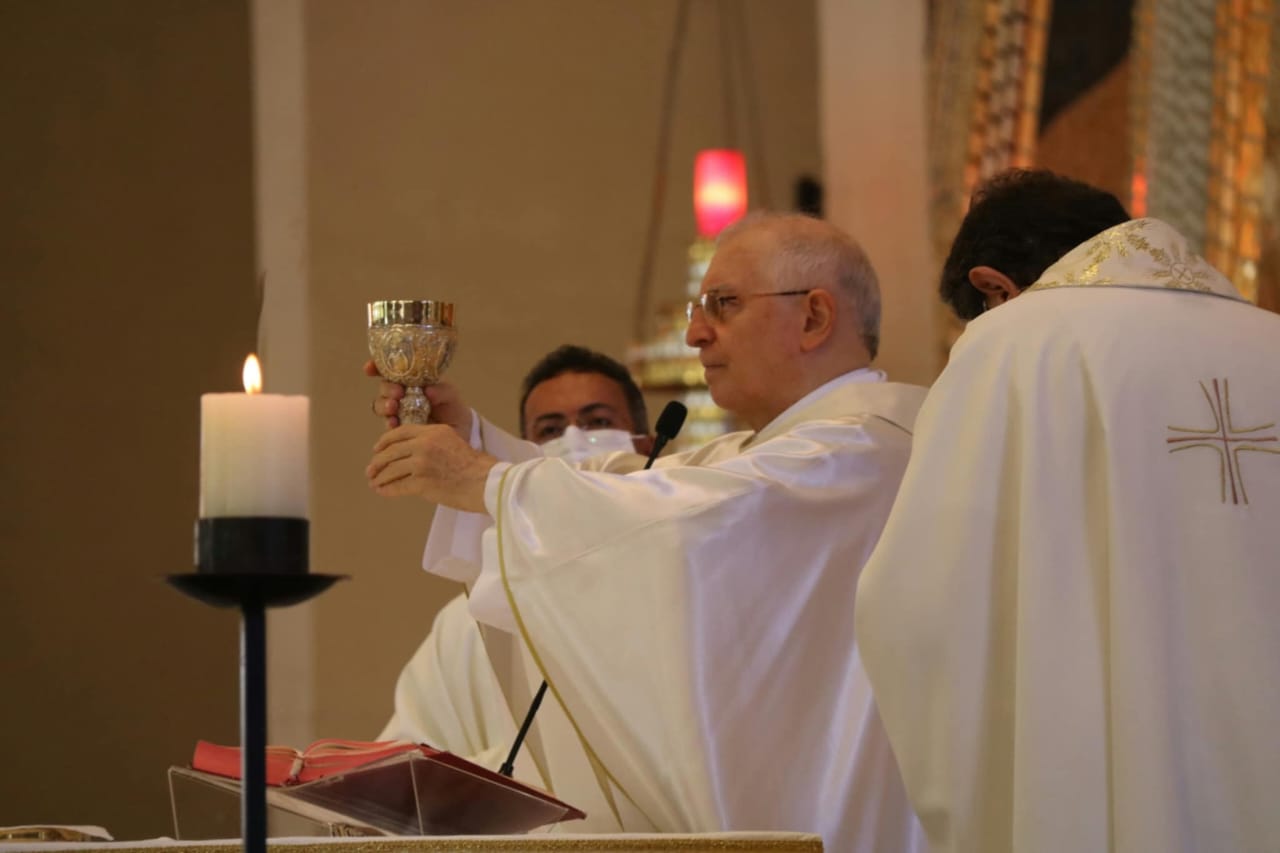
Modern bishops continue their pastoral roles, providing spiritual guidance, preaching, celebrating sacraments, and nurturing community faith life. They visit local parishes, ordain new priests, and confirm members into the church, reinforcing their position as essential spiritual leaders.
- Administrative Oversight
Bishops today manage extensive diocesan networks, including churches, schools, hospitals, and charities. Their administrative duties involve appointing parish priests, managing finances, and ensuring compliance with church laws and standards.
- Ecumenical and Interfaith Dialogue
Contemporary bishops often represent the Church in ecumenical dialogues, fostering relationships with other Christian denominations and faith traditions. They play crucial roles in promoting peace, tolerance, and understanding across diverse religious and cultural boundaries.
- Advocacy and Social Justice
Many modern bishops have become prominent voices advocating for social justice and human rights. They leverage their influential positions to address pressing global issues such as poverty, immigration, environmental stewardship, and conflict resolution.
Symbolism in the Modern Era: Bishop Rings and Attire
Although much has changed, bishops still retain traditional symbols like their ring, mitre (hat), and crozier (staff). These symbols continue to communicate spiritual authority, pastoral responsibility, and personal commitment to serving their communities.
Today, bishop rings hold symbolic and personal significance, often chosen to reflect personal spirituality or diocesan identity. Contemporary designs, such as those seen in specialized collections of bishop jewelry for men, maintain traditional symbolism while incorporating modern aesthetics, appealing to both spiritual and stylistic sensibilities.
Bishops and Education
Continuing a long tradition, modern bishops remain heavily involved in education. Many dioceses operate extensive networks of schools and universities, reflecting bishops’ enduring commitment to fostering knowledge, critical thinking, and moral development among youth.
Furthermore, bishops frequently engage in academic discourse, theological research, and public education campaigns, emphasizing the Church’s ongoing role as an educational and moral authority.
Conclusion: The Evolving Yet Enduring Role of Bishops
From their origins as apostolic successors to influential medieval leaders and contemporary advocates for social justice, bishops have continuously evolved while retaining their foundational spiritual and communal significance. Modern bishops balance traditional spiritual roles with contemporary administrative, social, and educational responsibilities, demonstrating remarkable adaptability.
Symbols such as bishop rings remain significant, encapsulating historical depth, spiritual commitment, and modern expression of faith. Whether through pastoral guidance, community leadership, educational advocacy, or symbolic representation, bishops continue to profoundly impact both religious communities and broader society.
Leave a Reply
You must be logged in to post a comment.